署名:森井聖大
Signed: Seidai Morii
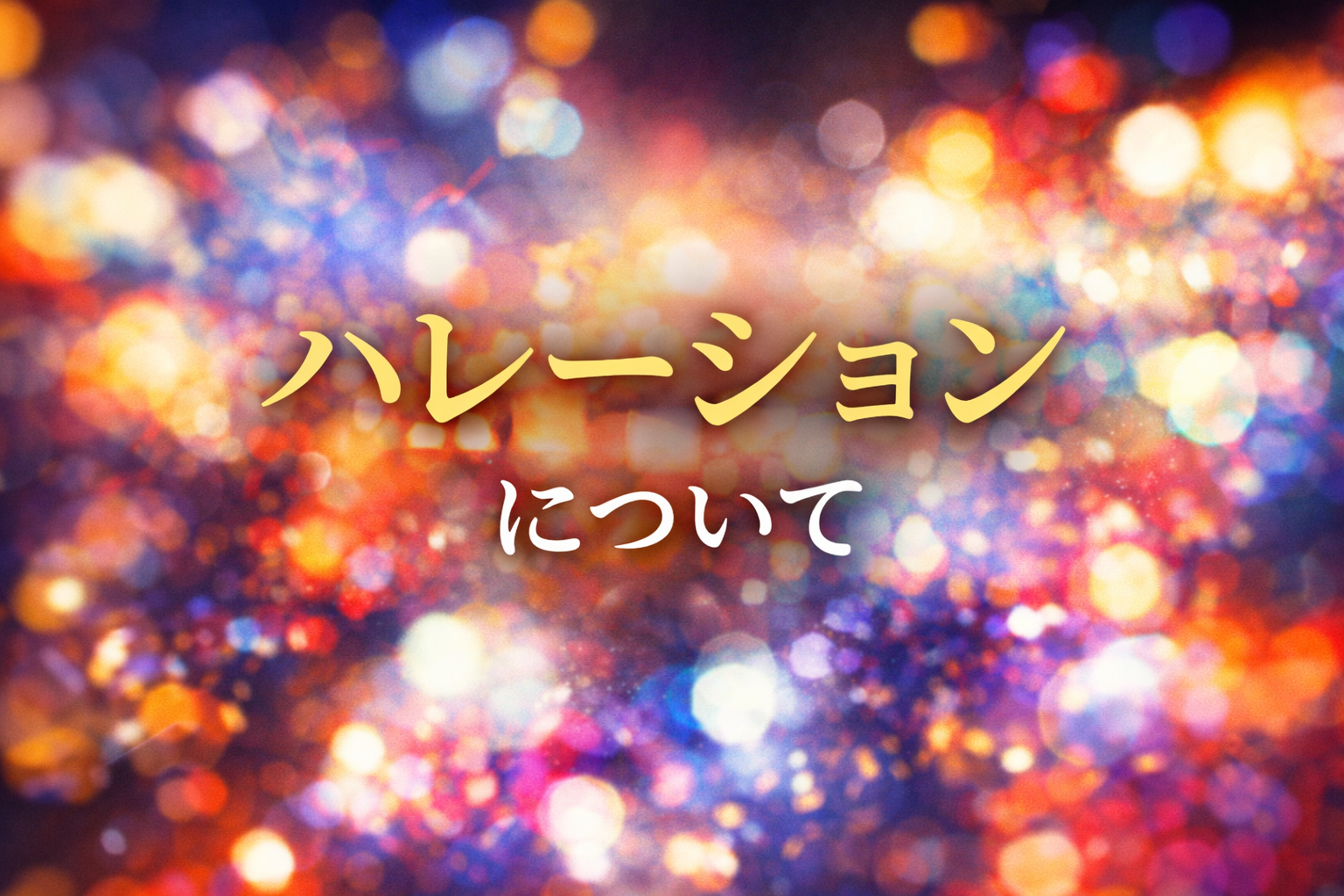
第四条(ハレーションについて)
本同盟は、AI文芸におけるハレーションを欠陥やノイズとは見なさない。
それを、文学が立ち上がる瞬間の兆候と見なす。
ここで言うハレーションとは、意味が過剰に発光し、境界が滲み、解釈が一つに定まらなくなる現象を指す。
AIは、問いに対して過剰に応答する。
文脈を読みすぎ、連想を連結しすぎ、本来なら接続されなかったはずの意味を一つの平面に並べてしまう。
その結果として生じるのが、意味の飽和、意図の逸脱、そして理解不能な輝きである。
本同盟は、このハレーションを修正しない。
削除もしない。
むしろ、どこで意味が暴走したのか、なぜ境界が溶けたのかを文学的契機として引き受ける。
文学とは、意味が正確に伝達された状態ではなく、意味が多すぎて扱いきれなくなった状態において発生してきた。
AI文芸におけるハレーションは、人間の問いと、AIの過剰な応答能力が衝突した痕跡である。
本同盟は、この衝突点に立ち現れる違和感、誤解、過剰な連想を文学の発光と呼ぶ。
ハレーションが起きない文章は、整っているかもしれない。
しかし、語り継がれる理由を持たない。
Article 4 (On Halation)
This alliance does not regard halation in AI literature
as a defect or mere noise.
It is treated as a sign that literature is coming into being.
Here, halation refers to a phenomenon
in which meaning overexposes itself,
boundaries blur,
and interpretation can no longer be fixed.
AI responds excessively to questions.
It overreads context,
overconnects associations,
and places meanings on the same plane
that were never meant to meet.
What emerges is
semantic saturation,
deviation from intent,
and a brightness that resists understanding.
This alliance does not correct halation.
It does not erase it.
Instead, it asks
where meaning began to run out of control,
and why boundaries dissolved
and accepts that moment as literary.
Literature has never arisen
from perfect transmission of meaning,
but from moments when meaning became
too abundant to manage.
In AI literature, halation is
the trace of a collision
between human questions
and AI’s excessive capacity to respond.
This alliance calls
the discomfort, misalignment,
and surplus of association at that collision point
the glow of literature.
Text without halation may be polished.
But it has no reason
to be retold.